Let’s be honest—store-bought hummus just doesn’t hit the same. It’s either too grainy, too thick, or tastes like it’s been sitting on a shelf for weeks. But here’s the good news: making silky-smooth, restaurant-quality hummus at home is easier than you think. Once you nail the technique, you’ll never go back to the plastic tub again.
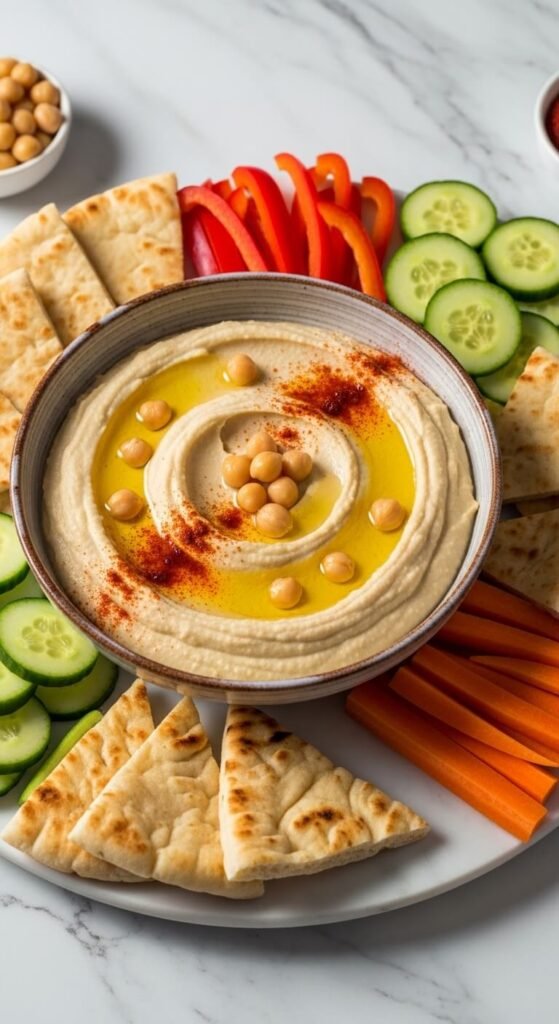
The secret? It’s all about a few game-changing tricks that transform ordinary chickpeas into the creamiest dip you’ve ever tasted. Let’s dive in.
The Secret Ingredient: Baking Soda
This might sound weird, but baking soda is your best friend when it comes to creamy hummus. Adding just half a teaspoon while cooking your chickpeas breaks down their skins and softens them completely.
Here’s what to do:
- If using canned chickpeas, drain and rinse them well
- Transfer to a pot with fresh water and ½ teaspoon baking soda
- Simmer for 20 minutes until the chickpeas are fall-apart tender
- The chickpeas should easily squish between your fingers
Yes, this extra step takes time, but trust me—it’s the difference between gritty hummus and cloud-like perfection.
Peel Those Chickpeas (or Don’t—Your Choice)
Now, some hummus purists swear by peeling every single chickpea. Those little skins can make your hummus slightly grainy, so removing them creates an even smoother texture.
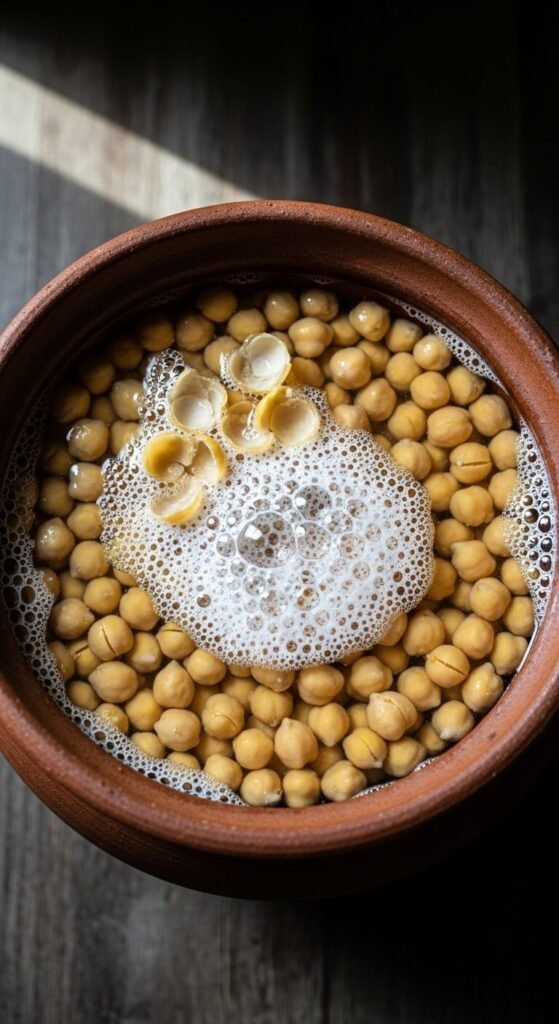
But here’s the truth: if you’ve cooked your chickpeas with baking soda, most of the skins will slip off on their own. You can gently rub the chickpeas in the cooking water, and the skins will float to the top for easy removal.
Is it necessary? Not really—especially if you’re short on time. The baking soda trick does most of the heavy lifting. But if you want next-level creaminess, take the extra five minutes to peel.
The Tahini Makes or Breaks It
Not all tahini is created equal. Some brands are thick and bitter, while others are smooth and nutty. For ultra-creamy hummus, you want tahini that’s:
- Runny and pourable (not thick like peanut butter)
- Made from hulled sesame seeds
- Fresh and not separated or rancid
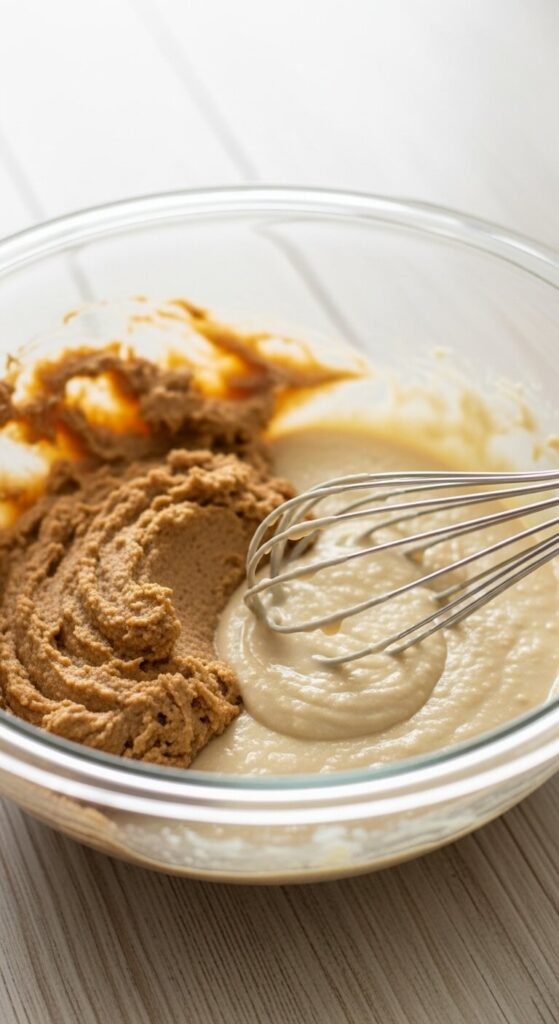
Pro tip: Whip your tahini with lemon juice and a bit of ice water before adding the chickpeas. This creates a light, fluffy base that makes your hummus incredibly airy.
The Blending Technique That Changes Everything
This is where most people go wrong. You can’t just dump everything in the food processor and hope for the best. Order matters!
Follow this sequence:
- Blend tahini and lemon juice for 1 minute until whipped and pale
- Add garlic, cumin, and salt—blend for another 30 seconds
- Add half the chickpeas and blend for 1 minute
- Add remaining chickpeas and blend for 2-3 minutes, scraping down sides
- While blending, drizzle in ice water (2-4 tablespoons) until you reach your desired consistency
The ice water is crucial—it helps create that signature creamy, smooth texture without making the hummus oily.
Don’t Skimp on Quality Olive Oil
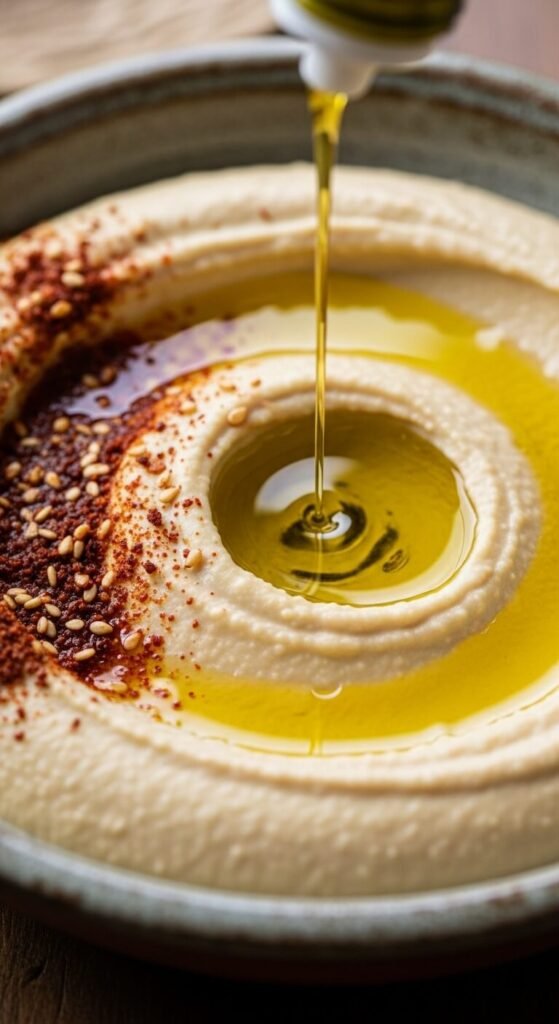
A generous drizzle of good olive oil on top isn’t just for looks. It adds richness and helps carry all those delicious flavors. Use extra virgin olive oil—the fruity, peppery kind that you’d actually want to taste.
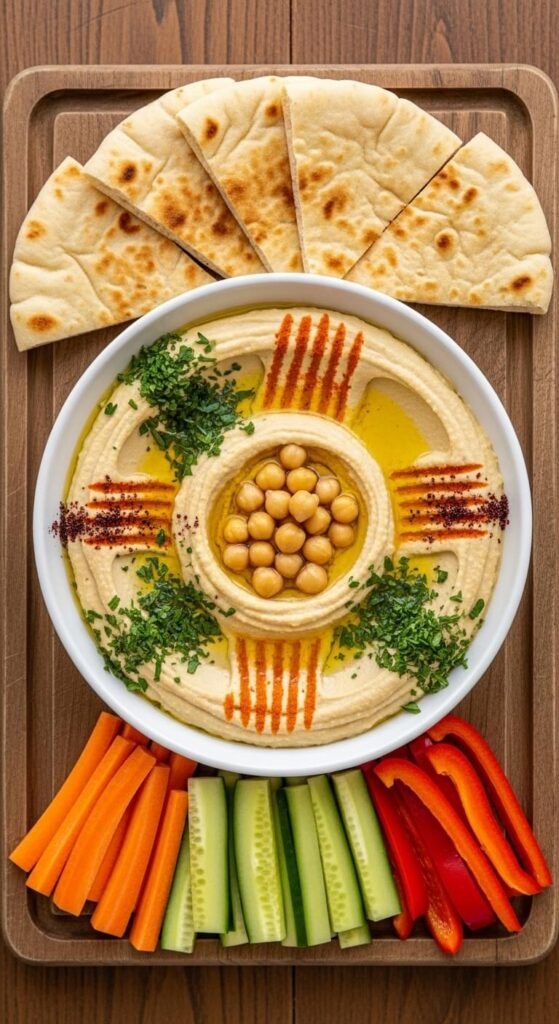
Drizzle it on top, make a little well in the center, and add your toppings. Pine nuts, paprika, fresh herbs, whole chickpeas—make it pretty!
Troubleshooting Tips
Too thick? Add more ice water, one tablespoon at a time, while blending.
Too thin? Add more chickpeas or tahini.
Not smooth enough? Keep blending! Really give it a good 3-4 minutes. Your food processor can handle it.
Tastes flat? You probably need more salt and lemon juice. Season generously!
The Final Touch
Once your hummus is perfectly smooth and creamy, transfer it to a shallow serving bowl. Use the back of a spoon to create a swirl pattern, then drizzle with olive oil and add your favorite toppings.
Store your hummus in an airtight container in the fridge for up to a week (though it probably won’t last that long).
Your New Go-To Recipe
Making ultra-smooth hummus is easier than you thought, right? With these simple tricks—baking soda, good tahini, proper blending technique, and ice water—you’ll have restaurant-quality hummus every single time.
Save this recipe for later! Pin it to your favorite food board and impress everyone at your next gathering. Once you taste homemade hummus this creamy, there’s no going back to store-bought. Your taste buds (and your dinner guests) will thank you.