There’s nothing quite as disappointing as biting into a meatball that’s dry, dense, and crumbly. You know the kind—the ones that suck all the moisture out of your mouth and make you reach for a glass of water. But here’s the good news: making meatballs that are juicy, tender, and practically melt in your mouth is totally achievable. You just need to know a few key tricks that transform ordinary ground meat into something absolutely irresistible.
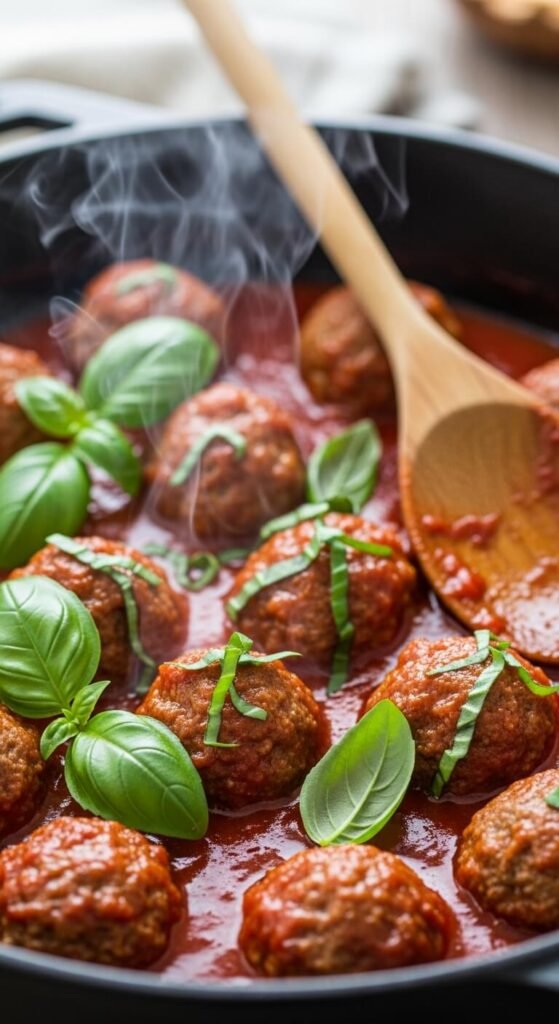
Whether you’re making classic Italian meatballs for spaghetti night, Swedish meatballs for a cozy dinner, or Asian-inspired versions for your favorite stir-fry, these techniques will work every single time. Let’s dive into the secrets that keep your meatballs tender, juicy, and absolutely crave-worthy.
Choose the Right Meat Blend
The foundation of tender meatballs starts at the butcher counter. Here’s what you need to know:
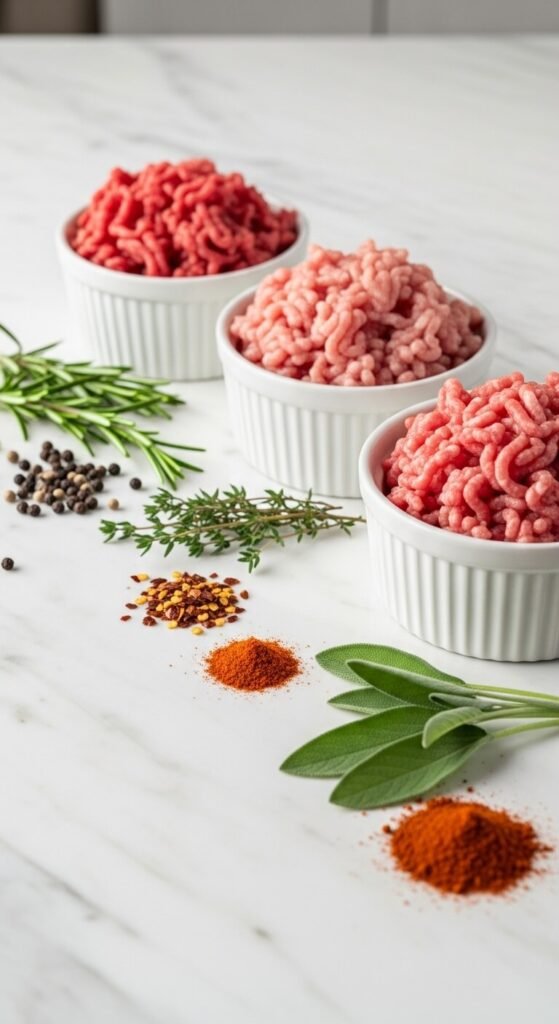
Don’t go too lean. This is the biggest mistake home cooks make. Fat equals flavor and moisture. Aim for ground meat that’s 80/20 or 85/15 (that’s the lean-to-fat ratio). If you use 90% lean or higher, you’re practically guaranteed dry meatballs.
Mix your meats. The classic combo is equal parts ground beef, pork, and veal, but you can also do:
- 50% beef, 50% pork (rich and flavorful)
- 2/3 beef, 1/3 Italian sausage (extra seasoning built right in)
- Ground turkey or chicken mixed with a fattier sausage to keep things moist
The Secret Ingredient: A Panade
This is the game-changer most people don’t know about. A panade is simply bread soaked in milk (or cream, or even water). It creates an incredibly tender texture by:
- Preventing the meat proteins from binding too tightly
- Adding moisture that stays locked in during cooking
- Creating that signature soft, almost creamy interior
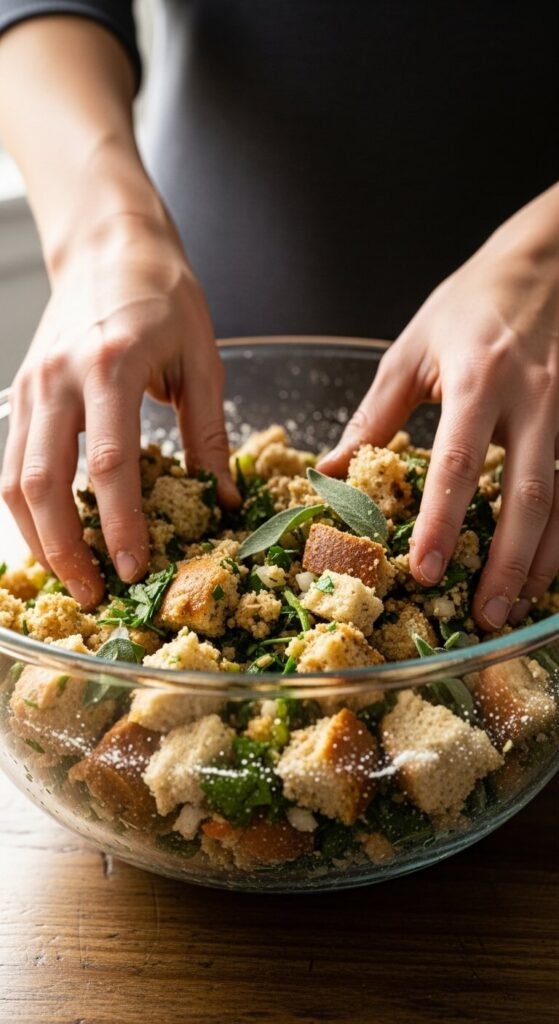
How to make it: Tear up 2-3 slices of white bread (crusts removed) into small pieces. Pour about 1/2 cup of whole milk over them and let them soak for 5 minutes until mushy. Squeeze out excess liquid and mix it into your meat. This is the secret restaurant chefs use!
Mix Gently—Your Hands Are the Best Tool
Once you’ve got your meat, panade, eggs, cheese, and seasonings together, resist the urge to over-mix. Here’s why it matters:
Overworking the meat develops too much gluten and makes the proteins bind tightly, resulting in tough, dense meatballs. Instead:
- Use your hands (they’re gentler than a spoon)
- Mix just until everything is combined
- Stop when you can’t see distinct streaks of ingredients anymore
Think of it like making biscuits—a light touch is everything.
Size Matters (And So Does Shape)
For the most even cooking and tender results:
Keep them uniform. Use a cookie scoop or ice cream scoop to portion them out. Golf ball-sized (about 2 tablespoons) is perfect for most recipes.
Roll them loosely. Cup the mixture in your palm and gently roll it into a ball. Don’t pack or squeeze—you want them just firm enough to hold their shape.
Pro tip: Wet your hands with cold water before rolling. This prevents sticking and keeps you from compacting the meat.
The Cooking Method That Locks in Moisture
You have options here, and each has its perks:
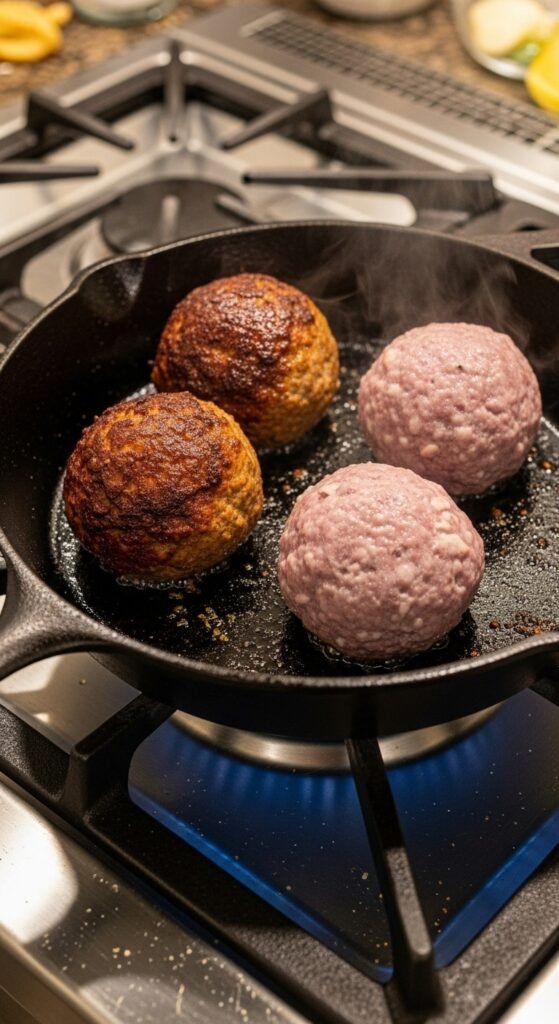
Browning then simmering (my favorite method):
- Brown meatballs in a skillet with a bit of oil for 2-3 minutes per side
- Transfer to simmering sauce and let them finish cooking gently for 20-25 minutes
- The sauce keeps them moist while they cook through
Baking: Place on a lined baking sheet and bake at 400°F for 20-25 minutes. Less fuss, but slightly less moisture retention.
Avoid: Cooking them completely in a dry pan. The lack of moisture in the environment dries them out.
Don’t Forget These Final Tips
Add moisture boosters:
- Grated onion or zucchini (squeeze out excess water first)
- Ricotta cheese mixed into the meat
- A tablespoon of olive oil
Let them rest: After cooking, let your meatballs rest for 5 minutes before serving. This allows the juices to redistribute throughout.
Internal temperature matters: Use a meat thermometer and aim for 160°F for beef and pork, 165°F for poultry. Overcooking = dry meatballs, no matter what else you do right.
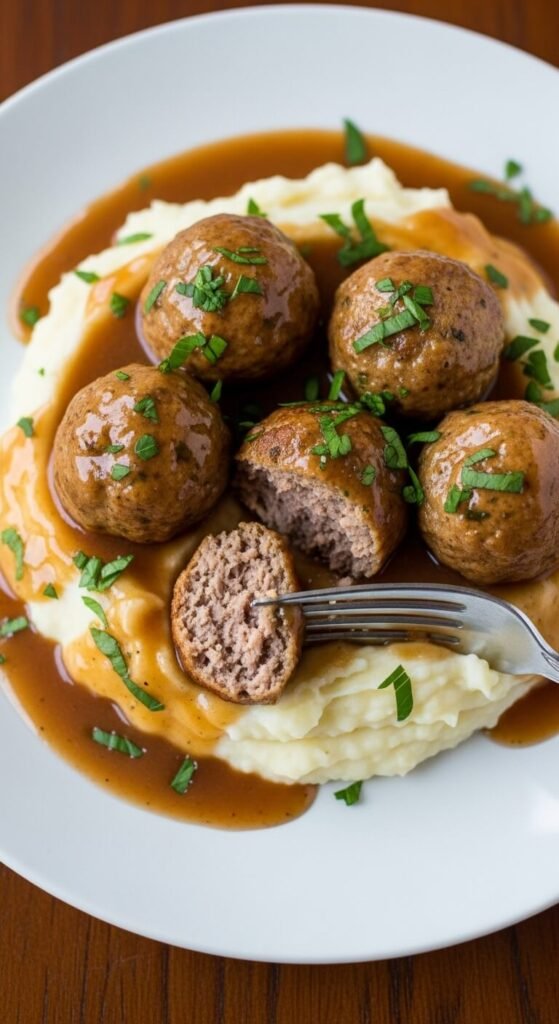
Your Tender Meatball Journey Starts Now
Making tender, juicy meatballs isn’t complicated—it just requires knowing these key techniques. Remember: don’t skimp on fat, use a panade, mix gently, and cook them with moisture. Master these basics, and you’ll never serve a dry meatball again.
Ready to put these tips into action? Save this guide for your next meatball night, and watch your family ask for seconds (and thirds). Happy cooking!
Word count: 897 words