We’ve all been there: you’re hosting game day, taco night, or just treating yourself to some cheesy goodness, and your homemade queso turns into a grainy, separated mess. One minute it’s smooth and dreamy, the next it looks like a science experiment gone wrong. But here’s the truth—making silky, restaurant-quality queso at home isn’t just possible, it’s actually easy once you know the secrets.

The key to perfect queso isn’t fancy ingredients or chef-level skills. It’s all about understanding what makes cheese cooperate (and what makes it rebel). Let me walk you through the exact method that’ll have you making velvety queso that stays smooth from the first dip to the last.
Why Queso Gets Grainy in the First Place
Before we fix the problem, let’s understand it. Cheese contains proteins and fats that are usually happy together. But when you heat cheese too quickly or too high, those proteins clump up and squeeze out the fat—hello, grainy texture and oil slicks.
The culprits are usually:
- Too much heat – High temperatures make proteins panic and separate
- Wrong cheese choices – Some cheeses just aren’t meant for melting
- No emulsifier – This is the magic ingredient that keeps everything blended
- Adding cheese all at once – Patience is your friend here
The Secret Ingredient: Sodium Citrate (or Easy Alternatives)
Here’s the game-changer: emulsifiers. These are ingredients that help fat and water play nice together. Sodium citrate is what food scientists use (and yes, you can buy it online), but don’t worry—there are easier options sitting in your kitchen right now.
Easy emulsifiers you already have:
- Evaporated milk (my personal favorite)
- American cheese (it contains built-in emulsifiers)
- Cream cheese
- A small amount of cornstarch mixed with milk
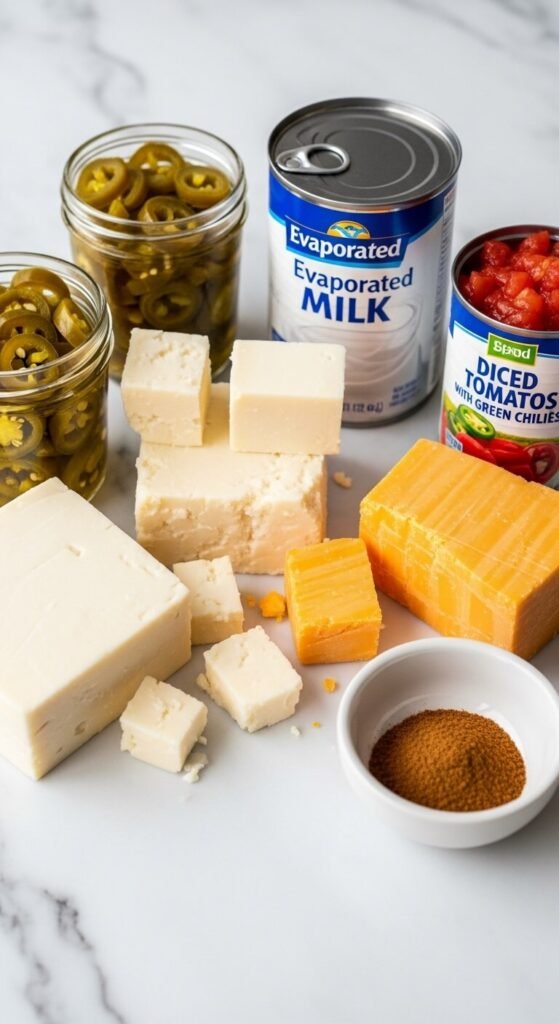
The Foolproof Method: Step-by-Step
Start with Your Liquid Base
In a medium saucepan over medium-low heat (seriously, keep it low), warm up 1 cup of evaporated milk. You can also use half-and-half or whole milk, but evaporated milk has extra proteins that help with that silky texture.
Add flavor boosters now:
- 1 can (10 oz) diced tomatoes with green chilies (Rotel is classic)
- ½ teaspoon cumin
- ½ teaspoon garlic powder
- A pinch of cayenne if you like heat
Let this mixture warm until it’s steaming but not boiling.
Add Your Cheese—Slowly and Strategically
Here’s where most people mess up. Temperature control and patience are everything.
Use a combination of cheeses:
- 8 oz white American cheese (sliced from the deli counter, not the individually wrapped kind)
- 8 oz sharp cheddar, freshly shredded

Add the cheese in small handfuls, stirring constantly. Wait until each addition is completely melted before adding more. This gradual method keeps the temperature stable and gives the proteins time to incorporate smoothly.
Keep Stirring and Maintain Low Heat
Continue stirring in a figure-eight pattern. This movement keeps everything circulating and prevents hot spots that can cause separation. The whole process should take about 5-7 minutes.
If your queso starts looking too thick, add a splash more evaporated milk. Too thin? A teaspoon of cornstarch mixed with a tablespoon of cold milk will thicken it right up.
Keeping It Perfect While Serving
Made the perfect queso? Now let’s keep it that way.
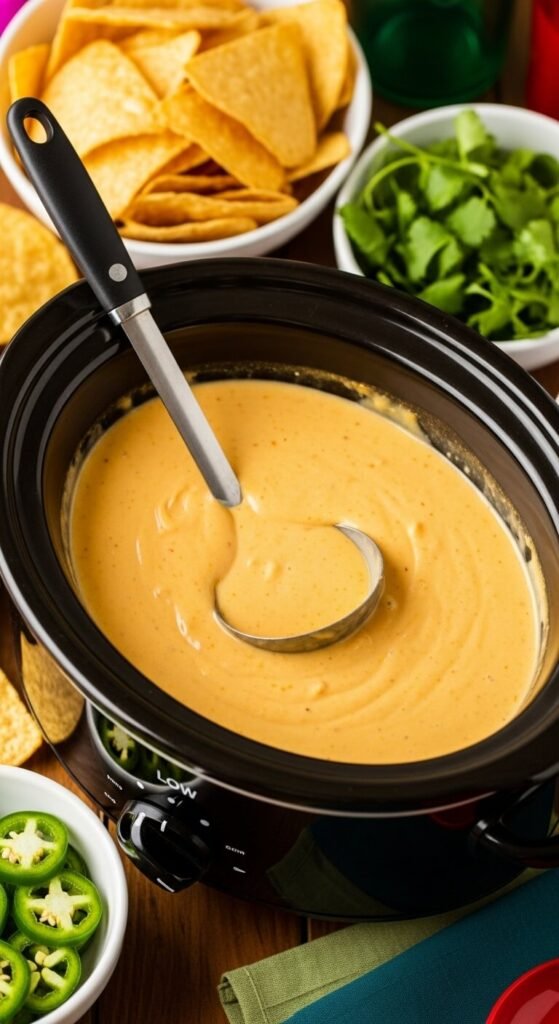
Best serving methods:
- Transfer to a slow cooker set on warm (not low or high)
- Use a fondue pot with a tea light underneath
- Keep on the stovetop over the lowest heat setting, stirring occasionally
- If it starts to thicken, stir in warm milk a tablespoon at a time
Troubleshooting Common Issues
Already grainy? Don’t panic. Remove from heat, add a tablespoon of evaporated milk, and blend with an immersion blender. The agitation can bring it back together.
Oil separating on top? Your heat was too high. Stir in a bit more cheese or a splash of milk and reduce the temperature immediately.
Too spicy or not spicy enough? Balance with extra cheese for less heat, or stir in hot sauce for more kick.

Your New Go-To Recipe
Now you’ve got the knowledge to make queso that rivals your favorite Tex-Mex restaurant. The secret combo of low heat, gradual cheese addition, and smart use of emulsifiers means you’ll never serve grainy queso again.
Remember: low and slow wins the race every single time. Your patience will be rewarded with the smoothest, most crave-worthy queso dip that’ll have everyone asking for your recipe.
Save this recipe for your next party, game day, or Tuesday night when you just need something deliciously cheesy! Once you nail this technique, you’ll never go back to jarred queso again.