There’s nothing more heartbreaking than spending good money on fresh crab, carefully mixing your ingredients, and then watching your beautiful crab cakes crumble the moment they hit the pan. Sound familiar? You’re not alone — and the good news is, it’s completely fixable. With a few simple techniques and the right ratio of ingredients, you can make restaurant-quality crab cakes that stay perfectly intact from skillet to plate.
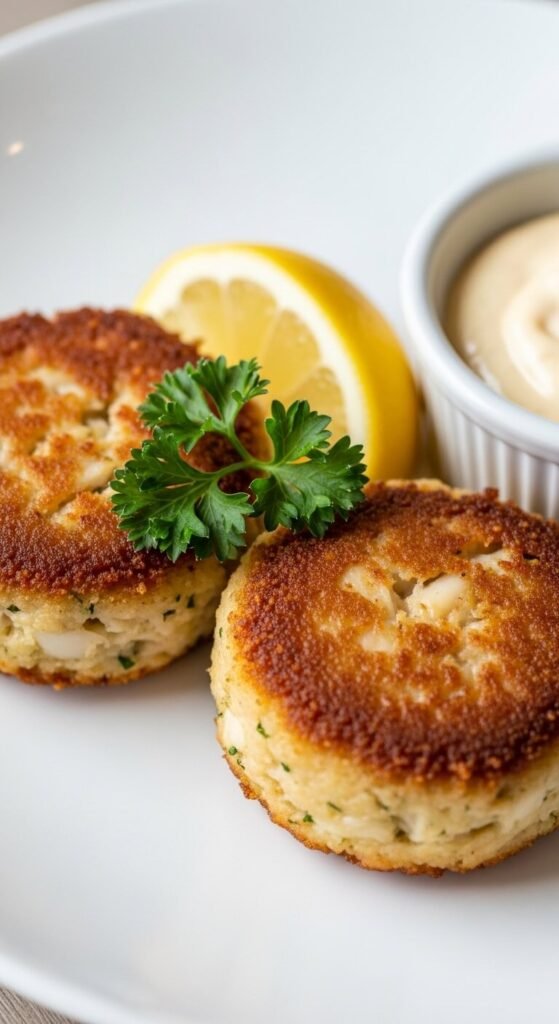
Start With the Right Crab Meat
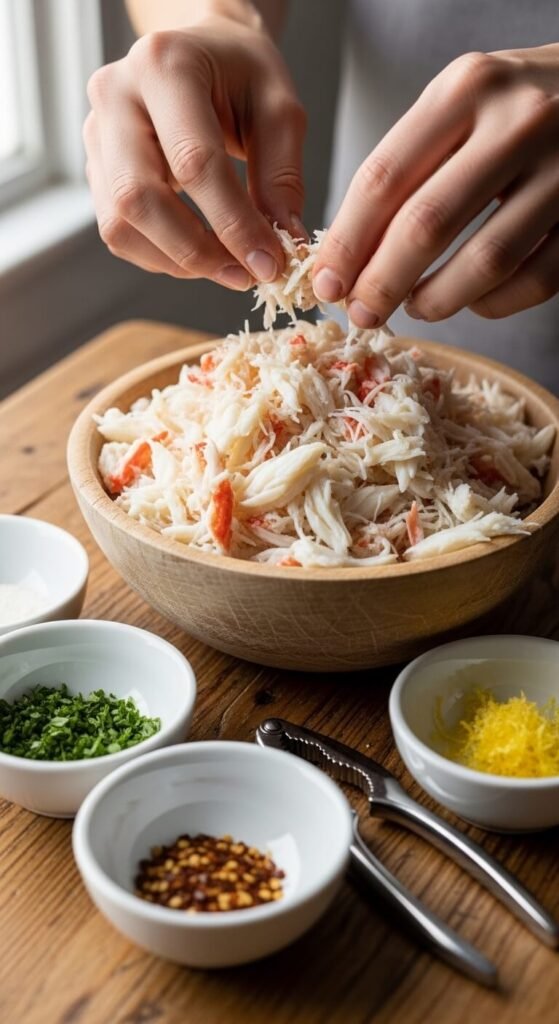
The foundation of a great crab cake is — obviously — the crab. But not all crab meat is created equal.
- Lump or jumbo lump crab meat is your best bet. It’s tender, has great texture, and holds together beautifully.
- Avoid imitation crab entirely — it’s too wet and won’t bind properly.
- If using canned crab, drain it thoroughly and press it gently with paper towels to remove as much moisture as possible.
Excess moisture is enemy number one. Wet crab meat is the #1 reason crab cakes fall apart, so don’t skip the drying step.
The Binder Ratio Is Everything
This is where most home cooks go wrong — too much filler, not enough crab, or the wrong binder altogether.
Here’s what actually works:
- 1 egg per pound of crab meat acts as your primary binder
- 2–3 tablespoons of mayonnaise adds moisture AND helps bind without making things soggy
- ½ cup of breadcrumbs (panko preferred) — but use restraint. Too many breadcrumbs = dense, bready cakes that still fall apart
- A small spoonful of Dijon mustard adds flavor and a little extra cohesion
The sweet spot is a mixture that just barely holds its shape when you press it into a patty. It should feel slightly sticky, not wet, not dry.
Season Simply and Mix Gently
Great crab cakes let the crab shine. Keep seasonings clean and classic:
- Old Bay seasoning (non-negotiable)
- Fresh lemon zest
- Chopped fresh parsley
- A pinch of cayenne for subtle heat
- Salt and pepper to taste
When mixing, fold gently with a spatula or your hands — never stir aggressively. Overworking the mixture breaks down the crab into mush and destroys the texture that helps everything hold together.
Chill Before You Cook — This Step Is Non-Negotiable
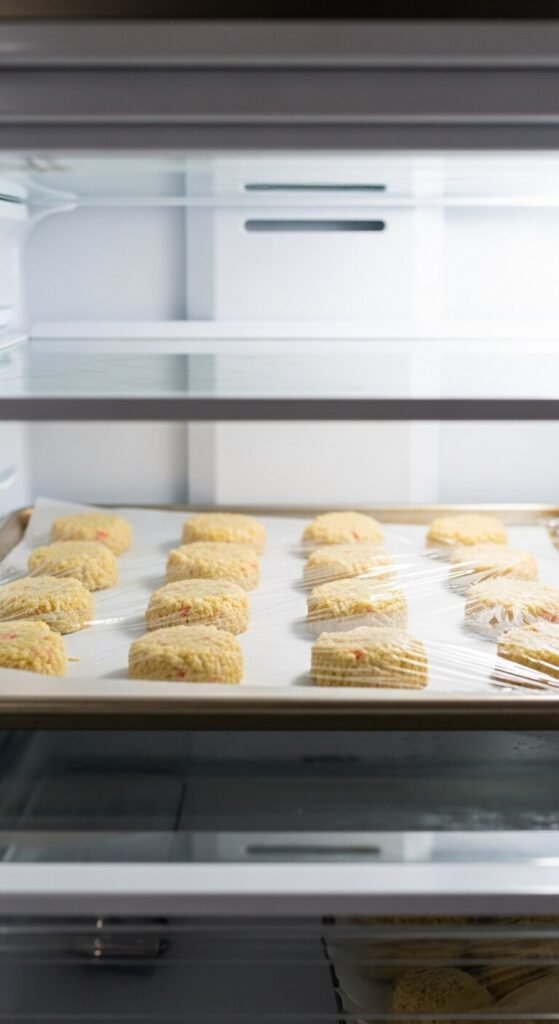
Once your mixture is ready, shape it into patties about ¾ inch thick and place them on a parchment-lined baking sheet. Then, cover and refrigerate for at least 30 minutes — one hour is even better.
Chilling lets the binders firm up and allows the cakes to set their shape. Skipping this step is the second biggest reason crab cakes fall apart in the pan.
Cook Them Low, Slow, and Hands-Off
When it’s time to cook, resist the urge to fiddle.
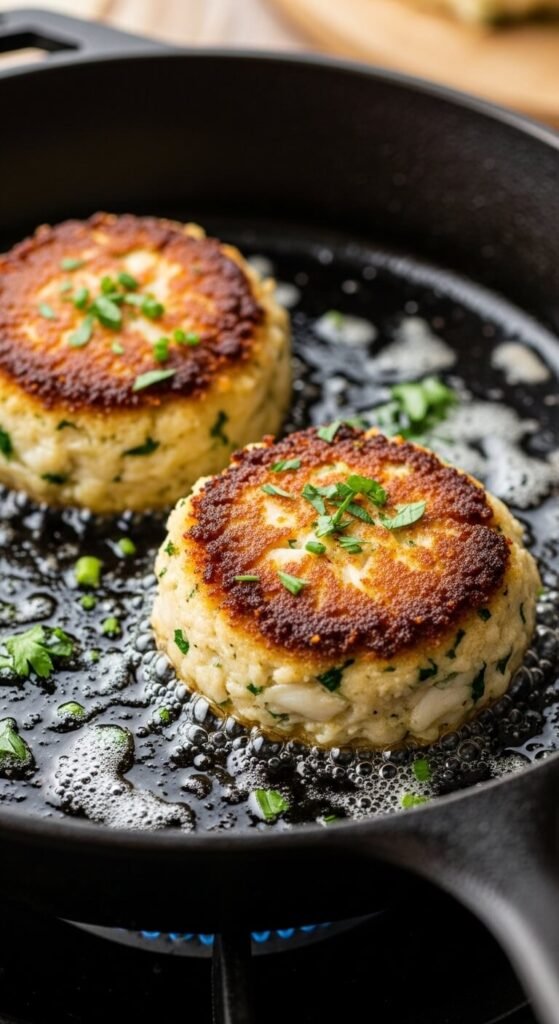
- Heat a cast iron or nonstick skillet over medium heat
- Add a mix of butter and neutral oil (butter for flavor, oil to prevent burning)
- Gently place cakes in the pan and don’t touch them for 3–4 minutes
- Flip once, carefully, using a thin spatula
- Cook another 3–4 minutes until deep golden brown
Flipping too early or too often is the third most common mistake. A crab cake needs time to develop a crust — that crust is what holds it together when you flip it.
Serving Suggestions
Once plated, crab cakes pair beautifully with:
- Remoulade or sriracha aioli for dipping
- A crisp arugula salad with lemon vinaigrette
- Corn on the cob or roasted asparagus for a complete meal
- Tucked into a brioche bun for an incredible crab cake sandwich
The Secret Is in the Details
Making crab cakes that hold together isn’t magic — it’s method. Use quality crab, nail your binder ratio, mix gently, chill before cooking, and let them form a crust undisturbed in the pan. Follow those five rules and you’ll never deal with a crumbled crab cake again.
Save this article for your next dinner party — your guests are going to be seriously impressed. 🦀