Picture this: you spend 20 minutes assembling the most gorgeous tomato bruschetta or caprese bites for a party — only to watch them turn into a watery, bread-soaking mess before your guests even arrive. Sound familiar? Soggy tomato appetizers are one of the most common (and most frustrating) kitchen fails. The good news? It’s 100% preventable. Here’s everything you need to know to keep your tomato appetizers crisp, fresh, and picture-perfect from prep to plate.
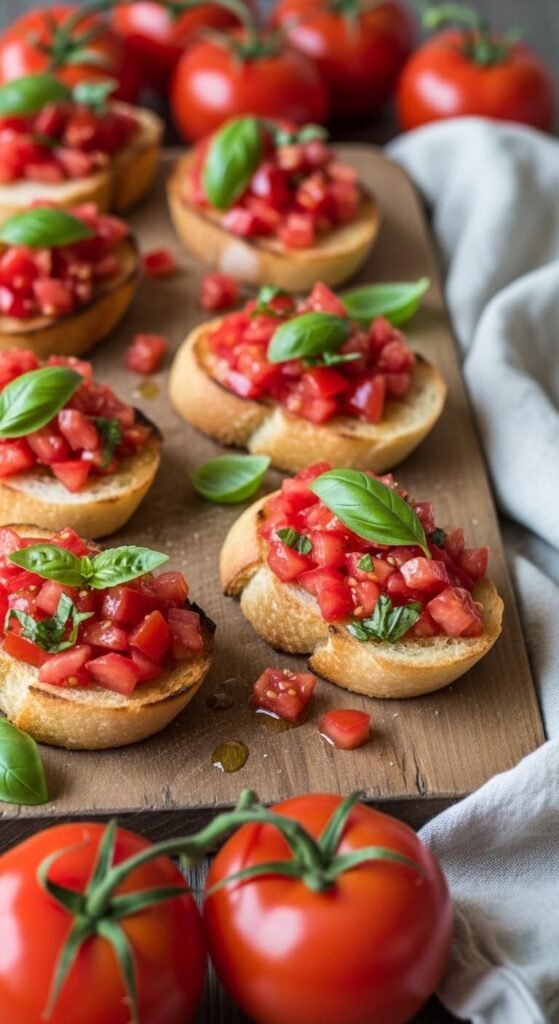
Why Do Tomato Appetizers Get Soggy in the First Place?
Before we fix the problem, let’s understand it. Tomatoes are made up of roughly 95% water. When you slice, dice, or salt them, that moisture gets released — and it will find its way into whatever it’s sitting on (bread, crackers, cheese, you name it).
A few key culprits:
- Salting too early — Salt draws out moisture fast. If you season your tomatoes and let them sit, you’re basically creating tomato soup.
- Assembling too far in advance — The longer toppings sit on a base, the more moisture soaks in.
- Using the wrong tomato variety — Watery beefsteak tomatoes behave very differently than meaty Roma or cherry tomatoes.
- Skipping the drain step — This is the one most people miss entirely.
Choose the Right Tomato
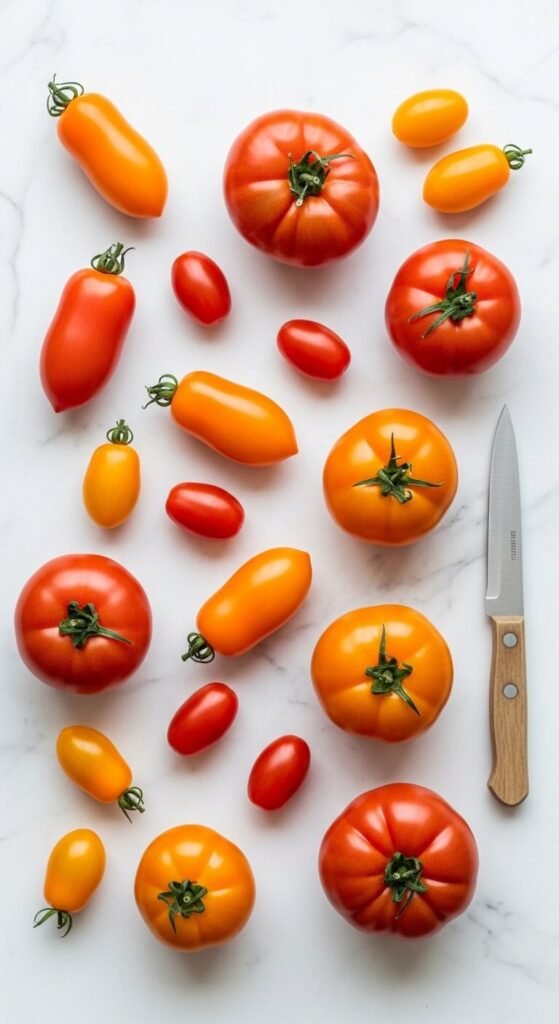
Not all tomatoes are created equal for appetizers. Your best bets:
- Roma (plum) tomatoes — Low moisture, meaty flesh, ideal for dicing
- Cherry or grape tomatoes — Firm texture, great for skewers and bites
- Campari tomatoes — Balanced sweetness and less watery than standard rounds
Avoid large, heirloom, or beefsteak tomatoes for anything that needs to stay crisp — they’re delicious on their own but release far too much liquid for toppings.
The Drain-and-Pat Method (Your Secret Weapon)
This single step will transform your tomato appetizers. Here’s how to do it:
- Dice or slice your tomatoes according to your recipe.
- Place them in a colander over a bowl or in the sink.
- Sprinkle lightly with salt and toss gently.
- Let them drain for 15–20 minutes. You’ll be amazed how much liquid collects.
- Pat dry with paper towels before using.
This removes excess moisture before it ever touches your bread or base — and it concentrates the tomato flavor at the same time. Win-win.
Build Smarter: The Assembly Order Matters
Even after draining, your assembly technique makes a huge difference.
For bruschetta and crostini:
- Toast or grill your bread until it’s deeply golden — moisture needs a barrier to fight through.
- Brush with olive oil before adding toppings. The oil creates a light seal.
- Add toppings right before serving, not before.
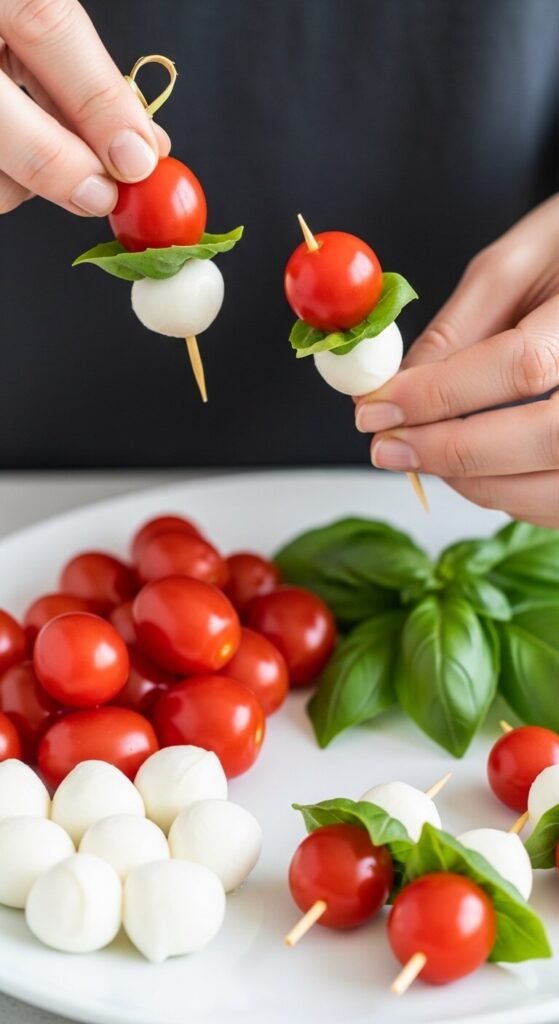
For skewers and bites:
- Keep components separate until the last minute if possible.
- Thread tomatoes last so they don’t compress other ingredients.
For caprese-style platters:
- Layer tomatoes and mozzarella, but hold the drizzle until just before guests arrive. Balsamic and olive oil accelerate moisture release.
Timing Is Everything
Here’s a simple rule: don’t assemble more than 15 minutes before serving.
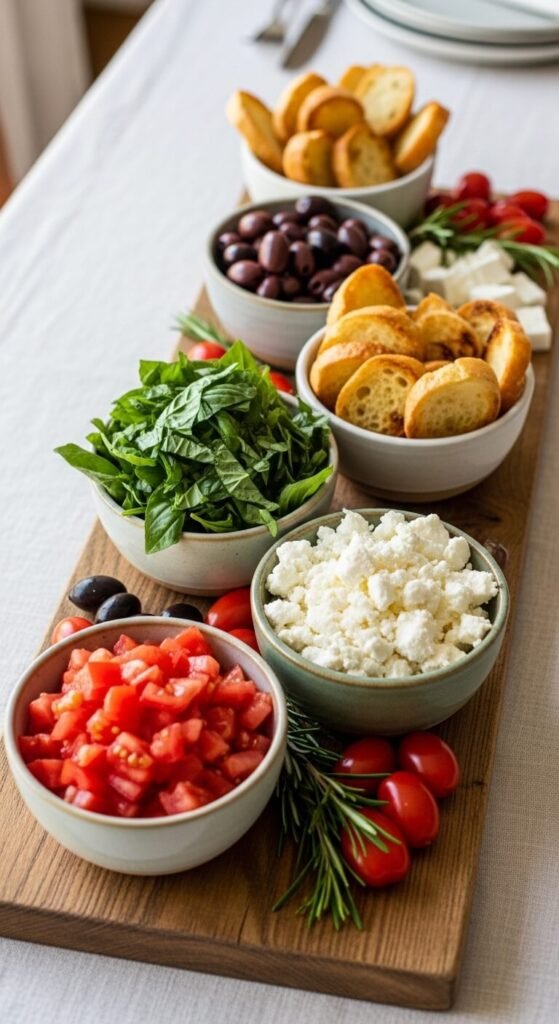
If you’re hosting a party and need to prep ahead, here’s the smart approach:
- Drain and dry your tomatoes up to 2 hours in advance — store them uncovered in the fridge on a paper towel-lined plate.
- Toast your bread or prepare your base ahead of time and store it separately.
- Mix your seasoning and oil dressing separately.
- Assemble at the last moment — it takes less than 5 minutes once everything is prepped.
This approach gives you all the convenience of advance prep with none of the sogginess.
Quick Soggy-Prevention Recap
- ✅ Choose firm, low-moisture tomato varieties
- ✅ Dice, salt lightly, and drain in a colander for 15–20 minutes
- ✅ Pat dry with paper towels before using
- ✅ Toast your base thoroughly and seal with olive oil
- ✅ Assemble right before serving, not hours ahead
- ✅ Keep dressings and drizzles on the side until the last second
Your Tomato Appetizers Will Never Be the Same
Soggy appetizers are not a tomato problem — they’re a technique problem. Once you get into the habit of draining, patting dry, and assembling at the right time, you’ll wonder how you ever served them any other way. These small steps take only a few minutes but make a world of difference in texture, presentation, and taste.
Save this article for your next gathering — and share it with anyone who’s ever suffered through a sad, soggy bruschetta. They’ll thank you for it! 🍅